Fell & Sell Beginner Guide: Your First Safe Profit Loop
The main Fell & Sell guide for new players: a current-build route from the first dungeon trip to your first reliable sales cycle, with launch-week traps that cost the most time.
If you are new, the biggest mistake is treating Fell & Sell like a normal dungeon crawler. The dungeon is only half the game. A run is successful when the loot comes home, turns into gear or stock, and makes the next run easier or more profitable. The Aug 31 patch added a dungeon minimap (full map on \) and one-button inventory sorting — use both instead of launch-week “no map / sort by hand” clips.
The short version
- Finish the tutorial and open the shop.
- Go into the dungeon with enough free inventory space to bring something useful back.
- Break destructible objects and clear rooms, but do not push deeper just because another door is open.
- If the haul contains something you need for crafting, shop stock, or a meaningful upgrade, consider banking it instead of gambling the whole run.
- Back home, sort the haul into keep, craft, decorate, and sell.
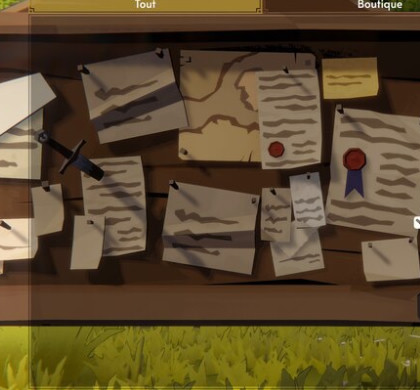
- Check the Quest Board before you forget about it. The official description says completed expedition feats can pay out gold, gear, and items.
- Price stock by watching what customers actually accept. Supply, demand, Prestige, and decoration bonuses all matter; there is no verified public formula yet.
- Reinvest in the bottleneck that hurt the last run: combat, carrying capacity, shop appeal, or stock flow.
Treat the chest as a safety tool, not just storage
Nine launch-week gameplay recordings repeat the same costly lesson: a good run can turn into a bad one when every useful weapon, material, and sale item is carried into the next risky room. The tutorial shown in several of those recordings describes the home chest as connected to the crafting setup, so there is little reason to take every spare item underground.
Before a first run, leave behind spare equipment and materials that are not part of the run’s purpose. Before a deeper floor, stop and ask whether the haul already fixes your next bottleneck. If it does, bank it. This is a qualitative player habit, not a claim about a universal safe weight or floor number.
For a tighter decision checklist drawn from repeated player runs, use Early-Game Tips. For the actual risk boundary, continue to the Dungeon guide.
Your first dungeon runs should be boring on purpose
The official rule is brutal: if you die underground, you lose the unbanked haul. Deeper floors can give rarer loot, but that only matters if the loot survives the trip home. Early on, a modest return with usable materials is better than a heroic death with a full bag.
One community pain point is navigation. There is no normal mini-map, and players have reported getting turned around in the dungeon. Patch 1.0.2 gave you a practical breadcrumb system: doors you open now stay open. Use that. Clear one branch at a time and treat open doors as proof that you have already been there.
Do not fill every inventory slot before a deeper floor
Weight and inventory pressure are real. Patch 1.0.2 specifically fixed a bug where swapping from a heavier weapon to a lighter one while overloaded could destroy the displaced weapon. The current build drops an item to the ground if it cannot fit, which is much safer, but it is still a warning: do not enter a risky floor with no room to react.
A good early habit is to decide the purpose of the run before you leave:
- Stock run: bring back sellable goods so empty shelves stop costing you money.
- Craft run: target materials for a known recipe or useful fixture.
- Gear run: keep anything that materially improves survival or damage.
- Depth test: push until the dungeon exposes a clear weakness, then leave and fix that weakness.
What to sell first
Do not think only in terms of “highest price.” An item can be more valuable as a crafting input, a weapon upgrade, or a decoration that improves future loops. The game’s economy is designed around trade-offs between immediate gold and long-term progress.
The safe beginner rule is simple: sell duplicates and surplus categories you can replace, keep materials that block a useful recipe, and avoid dumping a meaningful gear upgrade into the shop just because you need cash right now.
Steam achievements also show that the intended progression is broad rather than purely combat-focused: players are rewarded for crafting, selling, opening chests, earning trading gold, reaching Prestige and Comfort milestones, and pushing dungeon floors. That is a good model for your own priorities.
Check the Quest Board every time you come back
The Quest Board is easy to ignore because many tasks are based on things you already did during a run. That makes it low-effort value. The Aug 27 update fixed two launch problems: an empty board and quest rewards disappearing after loading a save. If you saw those issues in an older guide or video, they should no longer describe the current build.
A first-session finish line
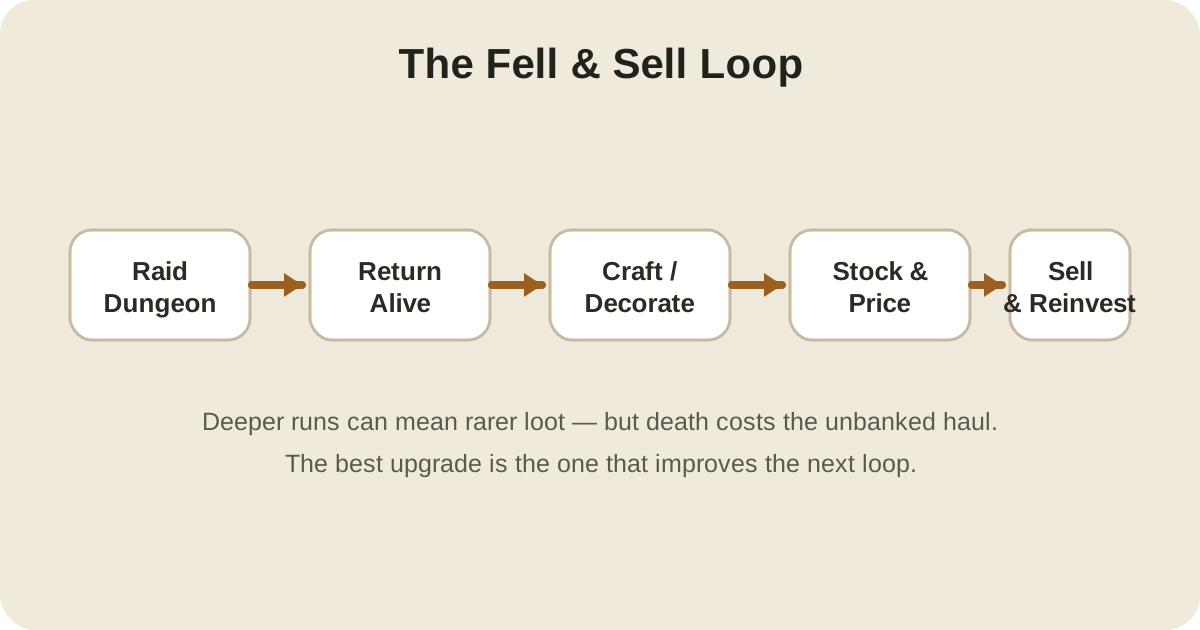
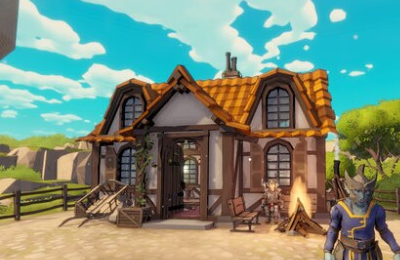
You do not need to “beat” the dungeon on day one. A good first session ends when you can complete this loop without getting stuck:
leave → collect → return alive → craft or stock → price → sell → reinvest.
Once that loop feels automatic, start optimizing. That is when the deeper guides on decorations, dungeon risk, crafting, and Prestige become useful.
Ver. 1.6.0 added difficulty levels — pick one before blaming the balance
Since Ver. 1.6.0 (September 21) the game ships three difficulty settings, and they must be changed in the Village for the new setting to apply:
- Easy — you do not lose equipped weapons and armor on death (carried loot is still lost), enemies move and attack slightly slower, they cannot lunge or combo, and furniture combat bonuses apply at 100%. This is the setting for a relaxed shopkeeping run.
- Medium — the intended experience: the pre-1.5.0 state of the game, keeping the new enemy animations, smarter AI and room placements.
- Hard — the post-1.5.0 brutal state with larger magic area of effect to compensate.
Two more changes from the same patch matter for a new shop: magic area of effect grew, which makes staff weapons better at handling room groups, and Elite health regeneration was nerfed from 10% to 5% per second, so Elite fights stopped being wars of attrition.
The 1.7.0 (September 23) quality-of-life pass also affects the first hours: enemies now show on the minimap, weapons can be hot-swapped mid-fight, and armor is displayed with its real damage reduction below your equipment.