Fell & Sell Crafting Guide: What to Craft, Keep or Sell
A current-build crafting strategy for deciding when materials should become gear, shop stock, decorations, or saved inputs.
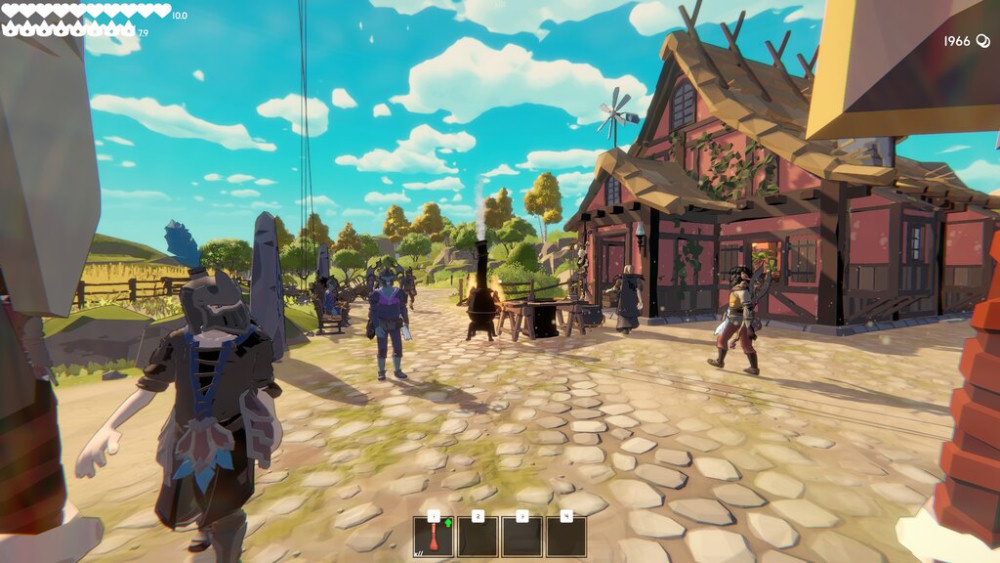
Crafting sits right in the middle of Fell & Sell’s economy. Materials can become stronger weapons and armor, but those same materials also represent future shop stock, furniture, or gold.
The useful question is not “can I craft this?” It is “does crafting this improve my next loop more than selling or saving the inputs?”
The Recipes tracker and Materials tracker are intentionally marked PARTIAL: current sources confirm the systems, not exact current-build ingredient rows. Check the Pricing guide before converting an otherwise useful input into immediate shop stock.
Craft gear when it changes the next dungeon
The official store page confirms that stronger weapons and armor are intended to help you push deeper. If a craft turns a dangerous floor into a manageable one, it can pay for itself through safer access to rarer loot.
That is a stronger reason to craft than rarity alone.
Keep the chest-to-workbench loop clean
The home-storage tutorial shown in several launch recordings says the chest feeds the crafting setup. Use that connection to separate a run kit from a workshop kit: take only what helps the next dive, and leave spare equipment plus recipe-blocking materials safe at home.
This makes a death less likely to reset your whole plan. It also prevents the common panic sale where the material for the next meaningful craft is sitting on a display table because the bag was full.
Budget gold as well as materials
Multiple recordings show crafting entries consuming both material inputs and coins. That confirms a useful planning principle, but not any current recipe cost: do not spend the last of a material or the last of your cash based on a demo video, a single stream, or an old screenshot.
If a craft is meant to solve the next dungeon problem, reserve its inputs first. If it does not change the next run, keep the material in storage or sell only the surplus. Exact ingredient quantities, coin costs, and unlock routes stay in Recipes as VERIFY.
Save materials when they block a known recipe
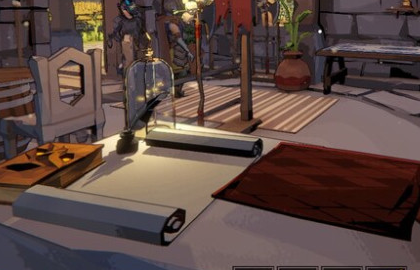
Launch-week players are already asking about specific missing materials such as Pen and Ink. At the moment, we do not have a reliable, current-build source for every material source and every recipe unlock. If one ingredient is stopping a recipe you care about, do not burn the rest of the chain on decorative crafts just because the workbench is available.
Do not trust demo recipe costs blindly
Demo 2.0 specifically rebalanced crafting to require fewer materials and much less gold. That is a big warning for old videos: exact demo costs can be stale even when the recipe name itself still exists.
A real recipe database needs current-build screenshots or extracted game data for each row. Until then, this site will keep exact ingredient tables in VERIFY status.
A simple craft / sell decision
Craft if the result gives you one of these:
- a clear survivability upgrade;
- a damage upgrade that lets you push a floor you could not handle;
- a furniture bonus you have verified is still increasing a useful stat;
- access to a more valuable downstream craft.
Sell if the material is common, replaceable, not blocking a recipe, and your shop currently needs gold or stock more than the craft.
Rarity clues from achievements
Steam has achievement tracks for crafting Uncommon, Rare, Epic and Legendary items. That confirms those rarity tiers exist in the progression system. It does not tell us the drop rate, recipe source, or best item in each tier, so those remain separate verification tasks.